
1
A proposed location
Plato’s island kingdom relocated to western Anatolia, with Ephesus at its heart and the “pillars” re-read as the proposals of the first argument.
Begin: Atlantis was destroyed c1327 BC All of Argument IAn author-led research project · 46 writings in one connected argument
This research project proposes that Atlantis may be understood through western Anatolia, through Bronze Age catastrophe, through mythic memory, and through later sacred geography. It reads Plato’s narrative in its second-millennium context, alongside Egyptian records and Hittite tablets.
The research framework presented here is an argument, not settled historical consensus. Every original writing is preserved unabridged, with its own sources linked for you to judge.
“Solon actually visited the land of Atlas on his way back from Egypt!”Read the case
New here? Follow Begin with these readings — a short guided route through the whole argument.
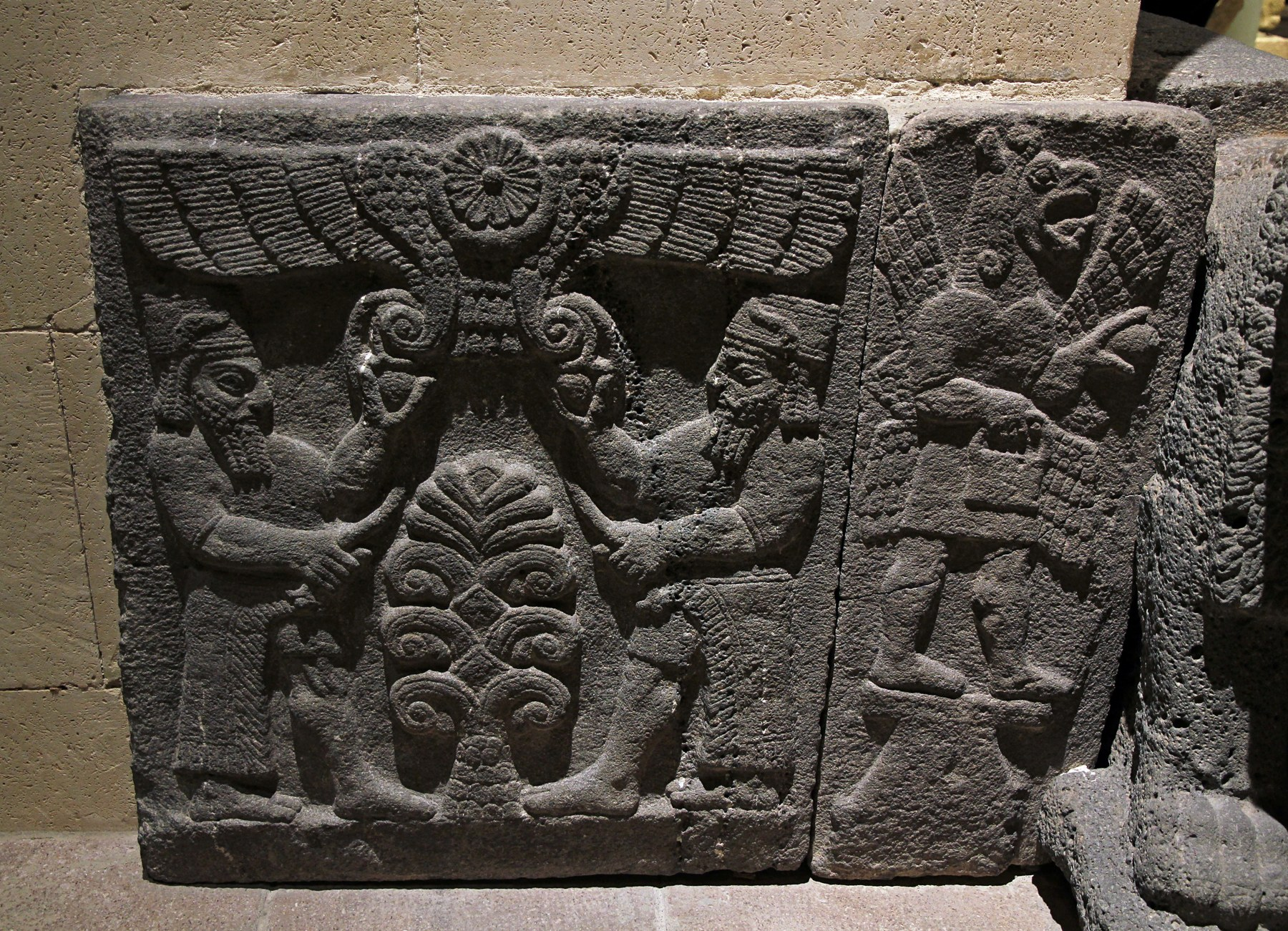
The Case · editorial orientation
A concise orientation to the author’s four-argument framework. The four propositions below lead into the four argument paths.
1
Plato’s island kingdom relocated to western Anatolia, with Ephesus at its heart and the “pillars” re-read as the proposals of the first argument.
Begin: Atlantis was destroyed c1327 BC All of Argument I2
A two-horizon chronology: a proposed airburst over Ephesus c1327 BC, and a second over Olympia c1284 BC — read in landscape and in myth.
The 1327 BC horizon The 1284 BC airburst All of Argument II3
St. Paul’s route, Aphrodite and Athene at Iconium, and the later textual memory of Atlantis in Revelation are read as the proposed witnesses of the third argument.
Begin: The Millennial Mission All of Argument III4
Cometary returns are read as a historical clock, from Akhenaten and the Aten to Sisyphus, Phrixus, Ixion, the Argonauts and Helen.
The cometary clock All of Argument IVA schematic, not a map
This panel arranges a few named points the way the project connects them. It is deliberately schematic — proportions and placements are editorial, not geographically exact.
Schematic diagram of the project’s proposed relations: Ephesus (also called Apasa) and western Anatolia (Arzawa) in the east; Olympia and Corcyra to the west; St. Paul’s missionary journeys, the Sibylline Oracles, and the Book of Revelation as later witnesses preserving the memory. Marks for 1327 BC and 1284 BC indicate proposed horizons.
Reading sequence
The writings are gathered into four major arguments. Each opens with a starting writing and continues in the order the author builds it — you can read straight through or dive where you like.
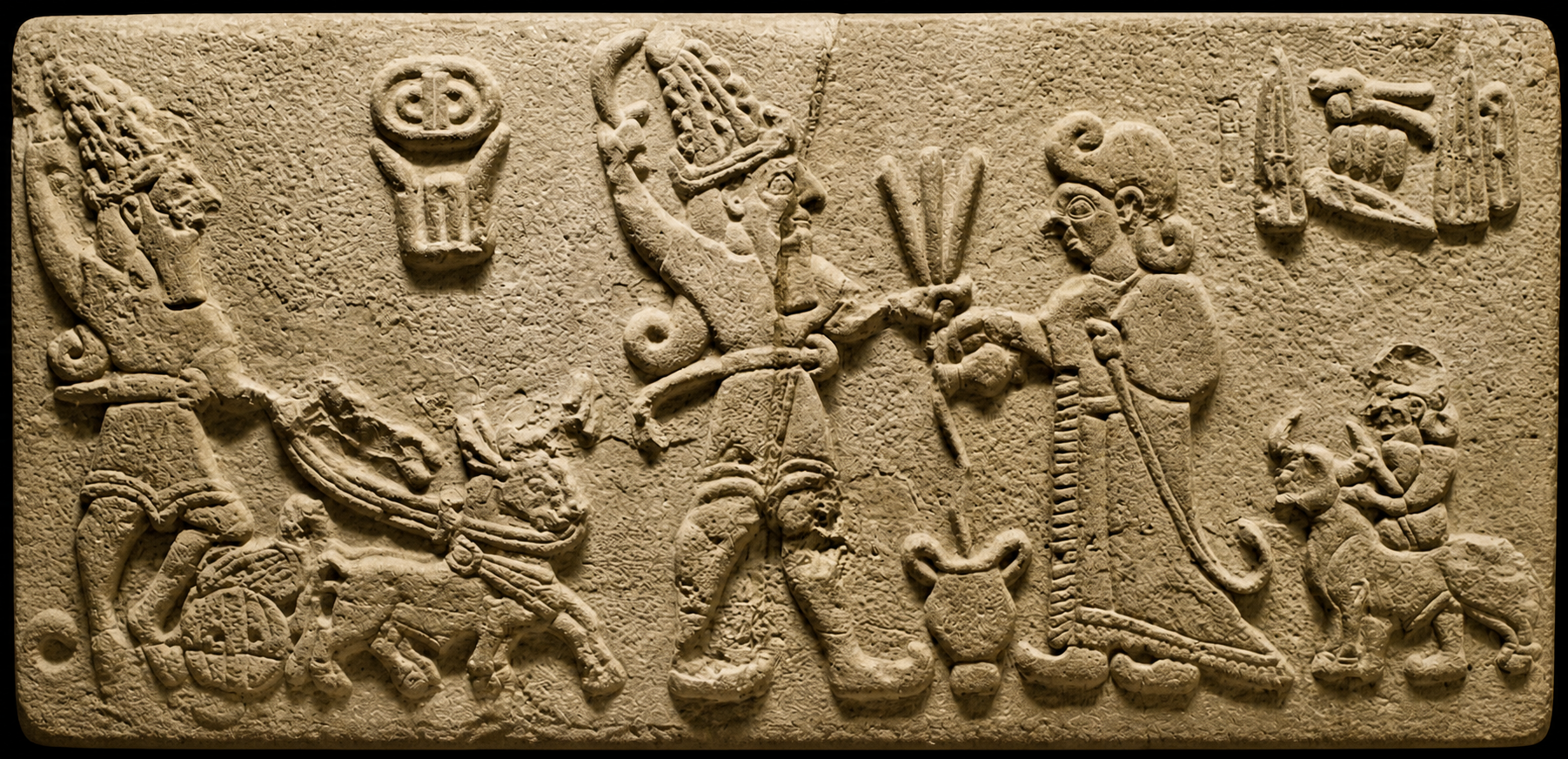
Argument I · 1327 BC
Plato’s account read against Egyptian and Hittite evidence. From a dated destruction horizon to Ephesus, Libya, Ethiopia and the Amazons — the author’s proposed locating of Atlantis in western Anatolia.

Argument II · 1284 BC
Two proposed catastrophe horizons read through Tantalus, Pelops, and the sanctuary at Olympia. Follow the second impact horizon, its remembered victims, and the myths of Leda and Helen that preserved the sky.
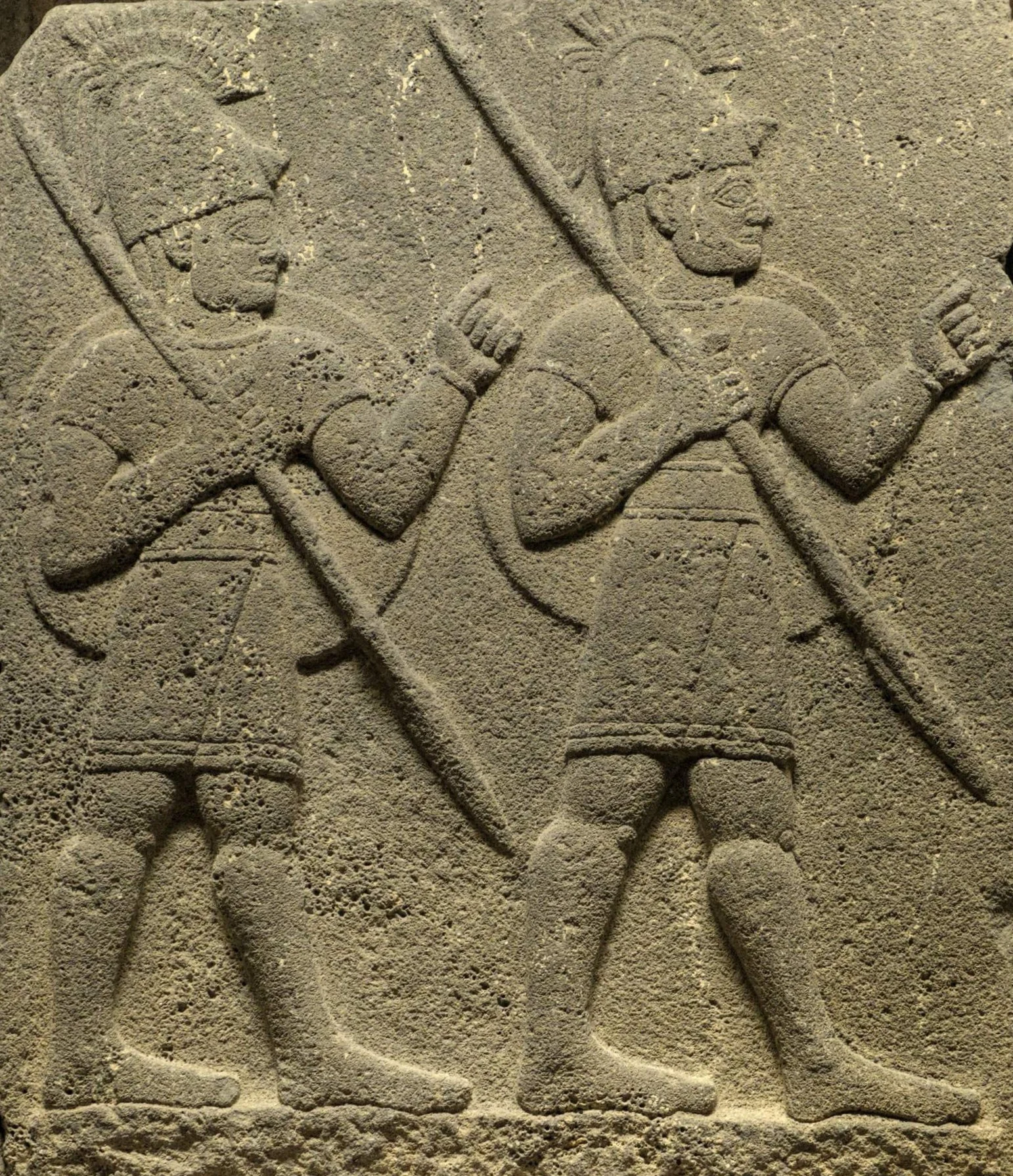
Argument III · c. 50 AD / mythic memory
Tracing Paul’s route as a palimpsest of older sacred geography: Aphrodite, Athene and Plato at Iconium, and the apocalyptic memory of Atlantis in Revelation — the project’s proposed witnesses in cult and text.
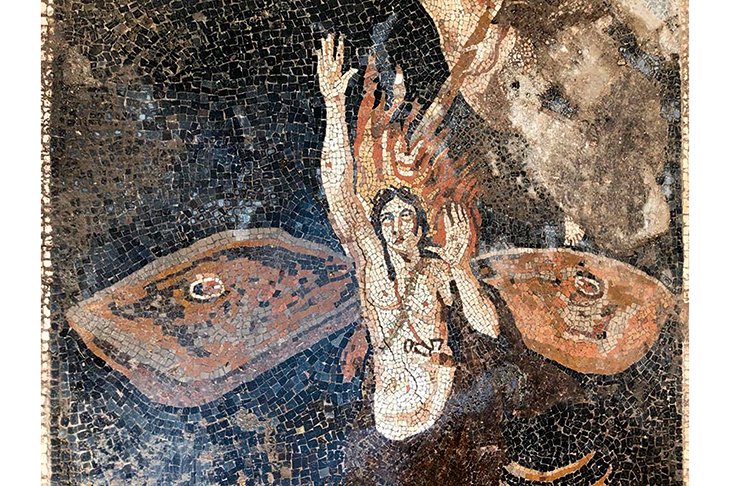
Argument IV · 1404 — 1198 BC
Cometary returns as historical clock. From Akhenaten and the Aten to Sisyphus, Tityus, Phrixus, Ixion and the Argonauts — the author’s reading of myth as remembered witness to the sky.
The complete case
Argument I · 1327 BC
Argument II · 1284 BC
Argument III · c. 50 AD / mythic memory
Argument IV · 1404 — 1198 BC
For first-time readers
Eight original writings, in the order a new reader can best follow the case. Each opens the unabridged source text in this project’s reader.
Where the case begins: a proposed, dated destruction horizon
Atlantis was destroyed c1327 BCHow the project re-reads Plato’s geography against Asia Minor
Plato, Isocrates, and the true location of AtlantisThe coastal argument at Ephesus, followed on the ground
Journey to Atlantis - Ephesus, the Birth of Artemis, Part TwoA second city and a second horizon: Tantalis or Atlantis?
Who was Tantalus? Part One: Tantalis or Atlantis?The proposed 1284 BC airburst at the sanctuary of Zeus
Olympia - the Airburst above Olympia c1284 BCSacred geography: Atlantis remembered in a late text
Atlantis in the Book of RevelationThe cometary clock: Halley’s returns and Egyptian records
Why Akhenaten began worshiping the Sun. The Precursor to the Destruction of Atlantis. Halley’s Comet and the 1:6 resonance with Jupiter. What happened in Egypt c1352 BC?Where the sky argument lands: Helen and 1198 BC
1198 BC · Helen of Troy: Celestial Memory, Myth, and the Late Bronze Age SkySupporting your reading
Use these companions to follow the argument, its proposed dates, and its terminology. Original texts remain unabridged — what you read in each writing is the full source wording.
Writings not yet placed inside one of the four arguments remain fully accessible here and in the complete index below.
The complete reference index
This is the complete reference index of the project, not the homepage’s purpose: every original writing, unabridged. Search filters the index and every result links to the full text in the reader.
Argument
46 writings in the index
Status labels and argument groupings organize the index and do not certify or independently verify historical claims. Dates and interpretive connections are the author’s research framework, not independently verified consensus.